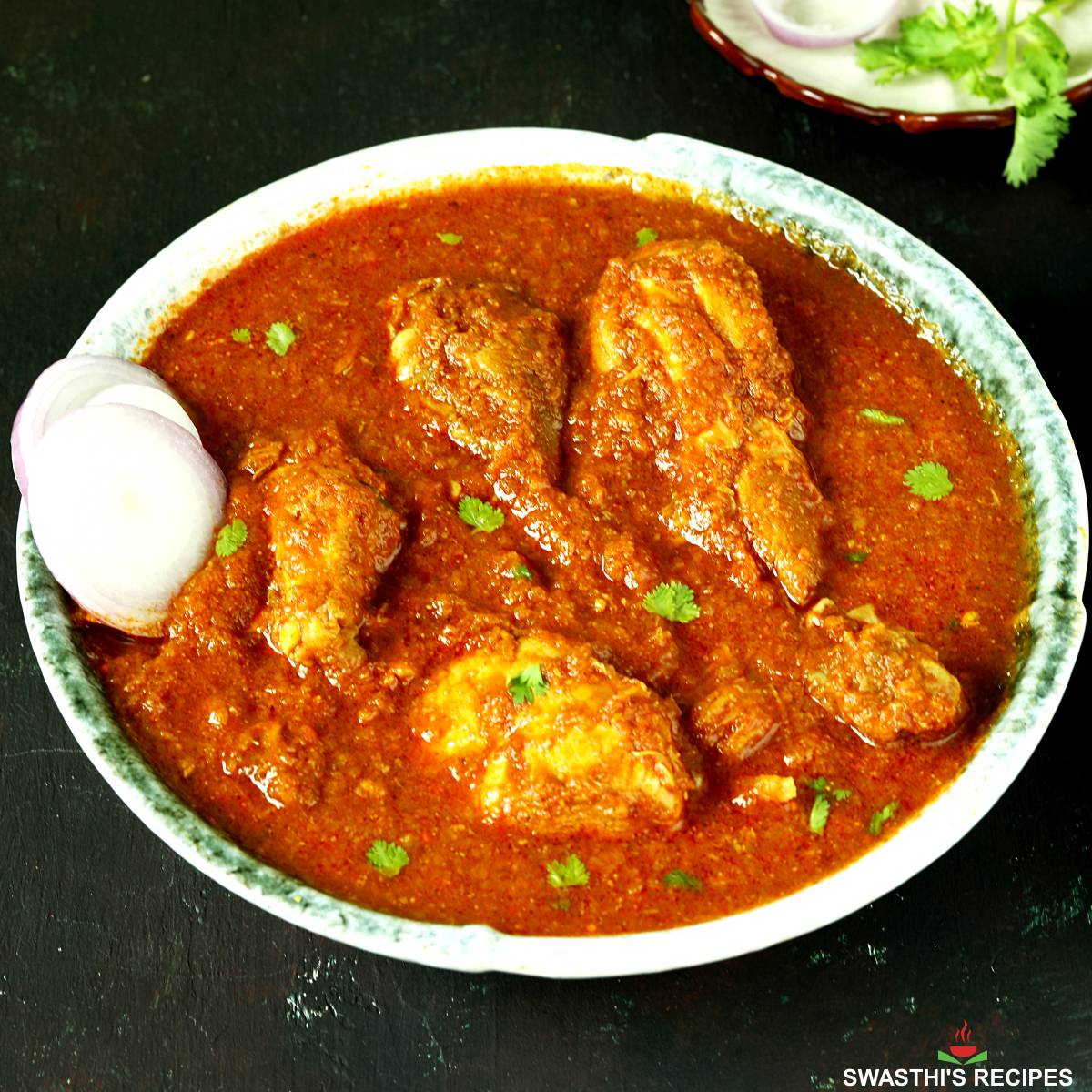
Unlock Authentic Restaurant Chicken Vindaloo Flavors
There’s something undeniably captivating about a well-crafted Chicken Vindaloo from your favorite Indian restaurant. The intense aroma, the vibrant color, and that perfect symphony of spicy, tangy, and subtly sweet flavors make it a culinary masterpiece. It’s a dish that goes far beyond mere heat, offering a complex, deeply satisfying experience that many home cooks strive to replicate. If you've ever wondered how restaurants achieve that specific, unforgettable profile in their chicken vindaloo restaurant style, you're in the right place. This article will delve into the secrets behind that authentic taste, offering insights and practical tips to help you understand and even recreate this iconic dish.
Far too often, homemade vindaloo can fall short, becoming a one-dimensional heat bomb rather than the nuanced, layered dish found in professional kitchens. The key lies in understanding the balance, the specific ingredients, and the cooking techniques that elevate a simple chicken curry to the legendary status of a true restaurant-quality vindaloo. We'll explore the historical roots, the critical flavor components, and the methods that bring this Goan specialty to life.
The Essence of Restaurant-Style Chicken Vindaloo
What sets a great chicken vindaloo restaurant style apart from its less stellar counterparts? It’s not just about the spice level, although that is certainly a hallmark of the dish. A truly authentic vindaloo is defined by its remarkable depth of flavor, which is achieved through a careful balance of acidity, pungency, and aromatic spices. Originating from Goa, India, vindaloo is a culinary legacy of Portuguese influence, derived from the dish "carne de vinha d'alhos" (meat marinated in wine vinegar and garlic). Over time, Indian chilies and spices replaced European counterparts, evolving into the robust curry we know and love today.
Restaurants meticulously balance these elements. They don't just add heat; they build a foundation of flavor. The tangy kick from vinegar, the pungent warmth of garlic and ginger, and a complex blend of whole and ground spices are all meticulously combined. The result is a gravy that is thick, rich, and clings beautifully to tender pieces of chicken, delivering a burst of flavor with every bite. The color, often a deep reddish-brown, is also indicative of the quality, stemming from Kashmiri chilies which provide both color and a moderate heat.
Deconstructing the Flavor Profile: What Makes it Stand Out?
To truly appreciate and replicate a chicken vindaloo restaurant style, we must understand its core flavor components:
- Acidity (The Tang): This is perhaps the most defining characteristic. Traditional Goan vindaloo uses palm vinegar or coconut vinegar, which imparts a unique, mild tang different from distilled white vinegar. This acidity cuts through the richness of the meat and spices, creating a refreshing counterpoint to the heat.
- Pungency (Garlic & Ginger): A generous amount of fresh garlic and ginger, often made into a paste, forms the aromatic backbone. These ingredients are not merely flavor enhancers; they contribute significantly to the dish's distinctive aroma and taste.
- Heat (Chilies): While vindaloo is famed for its heat, it’s a flavorful heat, not just raw capsaicin burn. A blend of chilies is often used: dried red chilies (like Kashmiri chilies) for their vibrant red color and mild heat, alongside hotter varieties (like Guntur or Byadagi) for that characteristic fiery kick. The chilies are typically soaked and then ground into a paste with the other spices.
- Aromatic Spices: A complex blend of whole and ground spices contributes to the layered flavor. Common spices include cumin seeds, coriander seeds, black peppercorns, cloves, cinnamon, green cardamom, mustard seeds, and turmeric. These are often dry-roasted to release their essential oils before being ground.
- Subtle Sweetness/Richness: While not overtly sweet, some restaurant vindaloos might include a tiny amount of jaggery (unrefined cane sugar) or a touch of coconut milk/cream to balance the intense flavors and acidity. This is a subtle addition, ensuring the dish remains savory and tangy.
The mastery of a great chef lies in balancing these elements, ensuring no single flavor overpowers the others, resulting in a harmonious and deeply satisfying curry.
Key Ingredients and Their Role in Authentic Vindaloo
Crafting an authentic chicken vindaloo restaurant style starts with selecting the right ingredients. Each component plays a vital role in building the dish's characteristic profile.
- The Chicken: For the best results, opt for bone-in chicken thighs or drumsticks. Dark meat remains moist and tender even after extended cooking, and the bones add depth of flavor to the gravy. Cut the chicken into uniform pieces to ensure even cooking and better absorption of the marinade.
- The Vindaloo Paste (The Heart of the Dish): This is where the magic truly happens. A good vindaloo paste is made from scratch, involving a multi-step process:
- Dry-roasting whole spices: Cumin, coriander, black peppercorns, cloves, cinnamon sticks, and green cardamom pods are lightly toasted until fragrant. This intensifies their flavor.
- Soaking dried red chilies: Often a mix of Kashmiri chilies (for color) and spicier varieties (for heat) are soaked in warm water to rehydrate them, making them easier to grind and releasing their full potential.
- Grinding: The roasted spices, soaked chilies, fresh garlic, and ginger are then ground into a fine paste using vinegar and a little water. This paste is the cornerstone of the flavor. For more on this critical component, read our article: The Secret to Perfect Restaurant Style Chicken Vindaloo.
- Vinegar: As mentioned, Goan palm or coconut vinegar is ideal. If unavailable, apple cider vinegar can be a good substitute, offering a similar fruitiness and tang, though distilled white vinegar can also be used in smaller quantities. The quality and type of vinegar significantly impact the final taste.
- Onions & Tomatoes: While traditional Goan vindaloo might sometimes omit tomatoes, many restaurant versions incorporate finely chopped or pureed onions and tomatoes. Onions provide a sweet base and body to the gravy, while tomatoes add a touch of acidity and richness, helping to thicken the sauce.
- Cooking Oil: A neutral cooking oil with a high smoke point, like vegetable or canola oil, is typically used for tempering spices and cooking the curry.
Techniques to Recreate Restaurant Magic in Your Kitchen
Beyond ingredients, the cooking process itself is crucial for achieving that authentic chicken vindaloo restaurant style. Here are the techniques professional chefs employ:
- Marination is Key: This is arguably the most critical step. Chicken pieces are generously coated in the freshly made vindaloo paste and allowed to marinate for an extended period – ideally overnight, or at least 4-6 hours in the refrigerator. The acidity of the vinegar tenderizes the chicken, and the spices deeply penetrate the meat, infusing it with flavor from within.
- Tempering the Spices (Tadka): In a heavy-bottomed pot or Dutch oven, whole spices like mustard seeds, fenugreek seeds, or bay leaves are often tempered in hot oil before adding onions or the marinated chicken. This step releases their aromatic oils, building a foundational layer of flavor.
- Slow Cooking for Depth: Vindaloo is not a dish to be rushed. After browning the marinated chicken (to seal in juices and develop flavor), the curry is simmered slowly over low heat. This allows the flavors to meld, the spices to fully bloom, and the chicken to become incredibly tender and infused with the rich gravy. Restaurant chefs understand that patience yields superior results.
- Achieving the Right Consistency: The gravy should be thick enough to cling to the chicken pieces, but not overly watery or pasty. This is achieved by slow simmering, allowing the liquid to reduce and the oils to separate and rise to the top – a sign of a well-cooked curry. Towards the end, a final reduction often takes place to intensify the flavors.
- Balancing the Flavors at the End: Professional cooks always taste and adjust. A final splash of vinegar, a pinch of jaggery, or a sprinkle of salt can make all the difference, bringing the dish to its perfect balance just before serving.
To really hone your skills in this area, we highly recommend checking out our detailed guide: Master Restaurant Style Chicken Vindaloo at Home.
Serving Suggestions and Perfect Pairings
A beautifully prepared chicken vindaloo restaurant style deserves to be served with accompaniments that complement its robust flavors. Here are some classic pairings:
- Basmati Rice: Plain steamed basmati rice or fragrant jeera rice (cumin rice) is essential. It provides a neutral canvas for the curry and helps absorb the rich, spicy gravy.
- Indian Breads: Freshly baked naan, fluffy roti, or flaky paratha are perfect for scooping up every last drop of the delicious sauce.
- Cooling Sides: The heat of vindaloo is wonderfully balanced by cooling accompaniments. Consider a simple cucumber raita (yogurt with grated cucumber and spices), a plain bowl of natural yogurt, or a fresh kachumber salad (diced onion, cucumber, tomato with lemon juice).
- Pickles and Chutneys: A side of tangy mango pickle or a sweet-and-sour chutney can add another layer of flavor and texture, enhancing the overall dining experience.
- Beverage Pairings: A tall glass of cooling mango lassi is a popular choice. For alcoholic beverages, a crisp lager or a dry cider can cut through the richness and heat of the vindaloo.
Remember, the experience of enjoying vindaloo is as much about the accompaniments as it is about the curry itself. They work together to create a truly authentic and satisfying Indian meal.
The journey to unlocking the authentic flavors of chicken vindaloo restaurant style is one of understanding, patience, and practice. It involves appreciating the historical roots, meticulously selecting quality ingredients, and employing traditional cooking techniques. By focusing on the balance of acidity, heat, and aromatic spices, and by giving the dish the time it needs to truly develop, you can move beyond a simple spicy chicken curry to create a vindaloo that rivals your favorite Indian eatery. So, gather your spices, embrace the process, and prepare to delight your taste buds with a truly exceptional culinary creation.
